Superfit size chart: how to choose the right size according to your foot
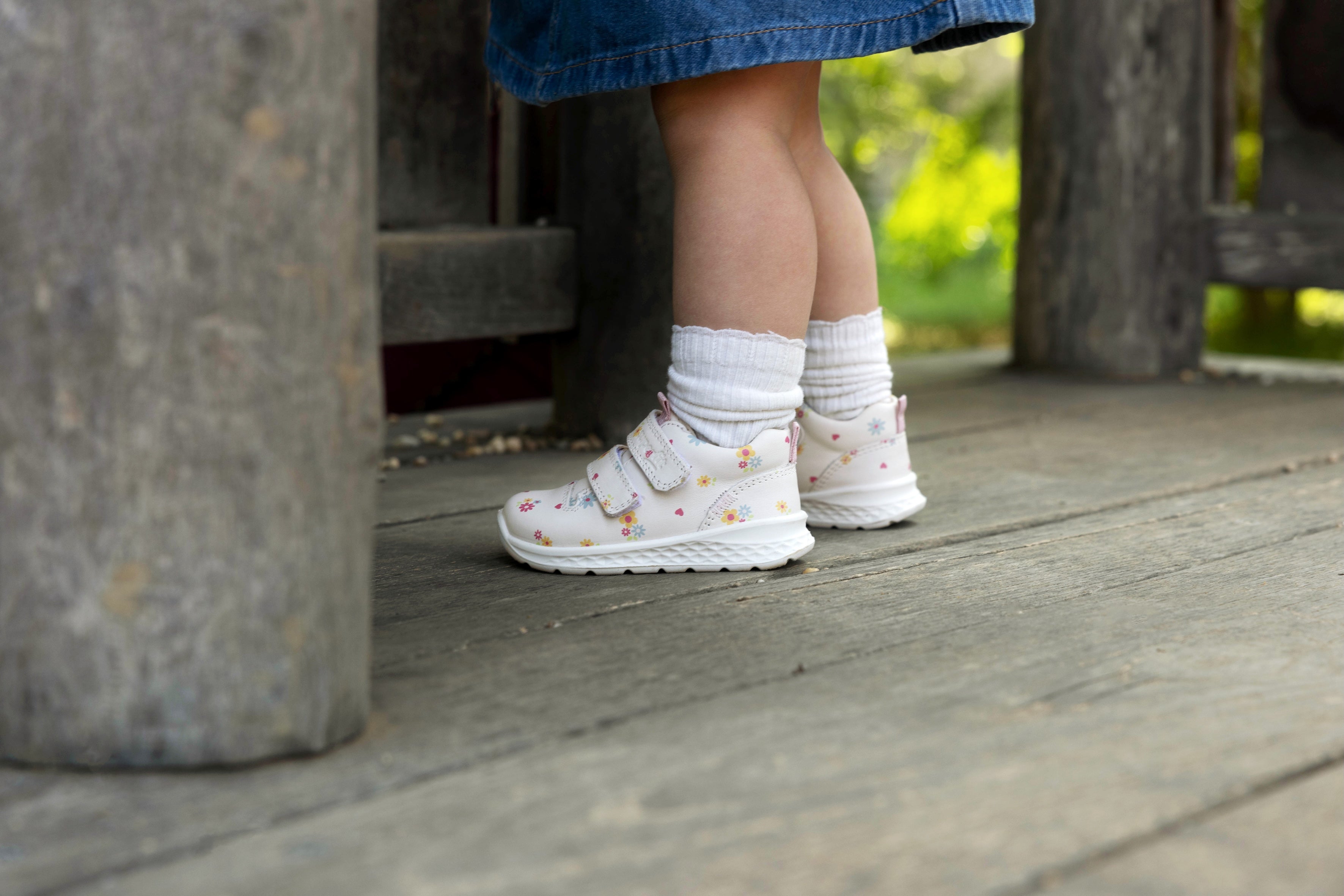
The size of children's footwear is not a universal number that works the same across all brands. For Superfit, the size is based directly on the foot length in millimeters, so instead of guessing, simply measure your child's foot and compare the result with the chart. Below you will find a complete Superfit size chart by age and exact foot length, as well as instructions on how to correctly measure the foot.
Superfit size chart by age and foot length
The chart is divided into three age groups, approximately according to how quickly the foot grows during that period. However, always follow the measured foot length in millimeters, not just the child's age. Every child grows at a different pace.
0–2 years
|
2–5 years
|
5–16 years
|

Tip: If the measured foot length falls exactly on the boundary between two sizes, choose the larger one. A slight allowance is fine, but footwear that is too tight is not.
Does the size chart apply to all types of Superfit footwear?
Yes. The Superfit size chart is based on foot length, which is the same for all types of Superfit children's footwear across the entire range. It does not apply to just one specific model. You will use the same chart when choosing:
- children's sneakers,
- children's sandals and summer footwear,
- children's slippers and indoor footwear,
- children's winter footwear and all-season footwear.
Minor differences in how a specific shoe "fits" certainly exist. It depends on the model's cut and the foot's width. That's why each Superfit model also includes a width (S, M, W), which complements the length information. However, the foot length according to the chart will reliably tell you which size to start looking for across all types of footwear.
How to measure foot length at home
Before entering the size into the chart, you need to know the exact foot length. You can measure it at home in a few minutes:
- Take off your child's shoes and let them take a few steps in their socks. For best results, measure in the afternoon or evening. Feet swell slightly during the day, so the result will better reflect the actual size.
- Place your child on a piece of paper and use a pencil to mark the foot length in front of the longest toe. Always hold the pencil perpendicular to the floor, otherwise the measurement could be inaccurate. Repeat the process on the other foot.
- Measure the distance from the bottom edge of the paper (against the wall) to the drawn line in millimeters.
- If the length of the right and left foot differs, always use the longer foot.
Then you can either compare the measured value directly with the chart above, or enter it into the Superfit shoe size calculator for a specific product.
What to do if your child is between two sizes
This often happens, especially with children who grow quickly. In such a case:
- Choose the larger of the two sizes. A slight allowance is fine; footwear that is too tight is not.
- Also check the width (S, M, W) for the specific model. If the child has a wider foot, a larger size in length can also help with comfort in width.
- If you are still hesitant after measuring, come to our store in České Budějovice (Matice Školská 4) to try on the footwear, or call us at +420 724 093 155 – we will help you choose the perfect fit.
Why size by foot, not by previous shoe number
A child's foot grows unevenly and often in spurts, so a size that fit two months ago may no longer be accurate today. Orthopedists therefore recommend measuring children's feet approximately every 6 to 8 weeks, especially for the youngest children. Measuring according to the current foot length and comparing it with the size chart is therefore more reliable than relying on the size the child wore last time – even within the same brand.
If you want to know more about how insole and foot length are generally measured, check out our article How to measure shoe insoles: step-by-step guide.